Science News
 American
Science News for 12 January 2015
American
Science News for 12 January 2015
Researchers conduct first direct measurement of gravity's curvature
Phys.org - 12 Jan 2015 15:40 (Phys.org)--A team of researchers working in Italy has successfully conducted an experiment to directly measure gravity's curvature for the first time. In their paper published in the journal Physical Review Letters, the...
What Beagles Reveal about Alzheimer's in Humans
Live Science - 12 Jan 2015 01:11 Dogs may be very well suited to help us understand how these lifestyle factors help our brains as we get older.
Dogs Arrived Late to the Americas
Live Science - 12 Jan 2015 23:46 Dogs may have arrived in the Americas only about 10,000 years ago, thousands of years after humans first did, researchers say.
Seismic Roundup: 2014 Saw Fewer Big Earthquakes Than 2013
Live Science - 12 Jan 2015 22:40 The past year saw slightly fewer big earthquakes than the year before, but some areas unfamiliar with seismicity got the shakes, possibly due in part to oil drilling activities.
Talking gibbonish: Deciphering the banter of the apes
New Scientist - 12 Jan 2015 22:30
New ways to decode animal chatter reveal a lot about what they are saying. And the answers could unravel human language too (full text available to subscribers)
Sound Mind and Sound Body? This Protein Helps Both
Live Science - 12 Jan 2015 22:16 A protein known to have antidepressant effects in the brain may also improve heart health, a new study finds.
What you 'like' on Facebook gives away your personality
New Scientist - 12 Jan 2015 22:00
A machine-learning algorithm can now predict your personality using nothing but what you like on Facebook - and it knows you better than your family does
Human brains have a groovy feature that chimps' don't
New Scientist - 12 Jan 2015 22:00
Our brains and those of chimpanzees are built differently in the areas that give us our unique language and social skills
Aphids suck the blood of their ant masters' young
New Scientist - 12 Jan 2015 22:00
A type of aphid that usually peacefully serves ants can turn on its masters, infiltrating their nests and feasting on the blood of their young
Mirror, mirror
Symmetry Magazine - 12 Jan 2015 21:54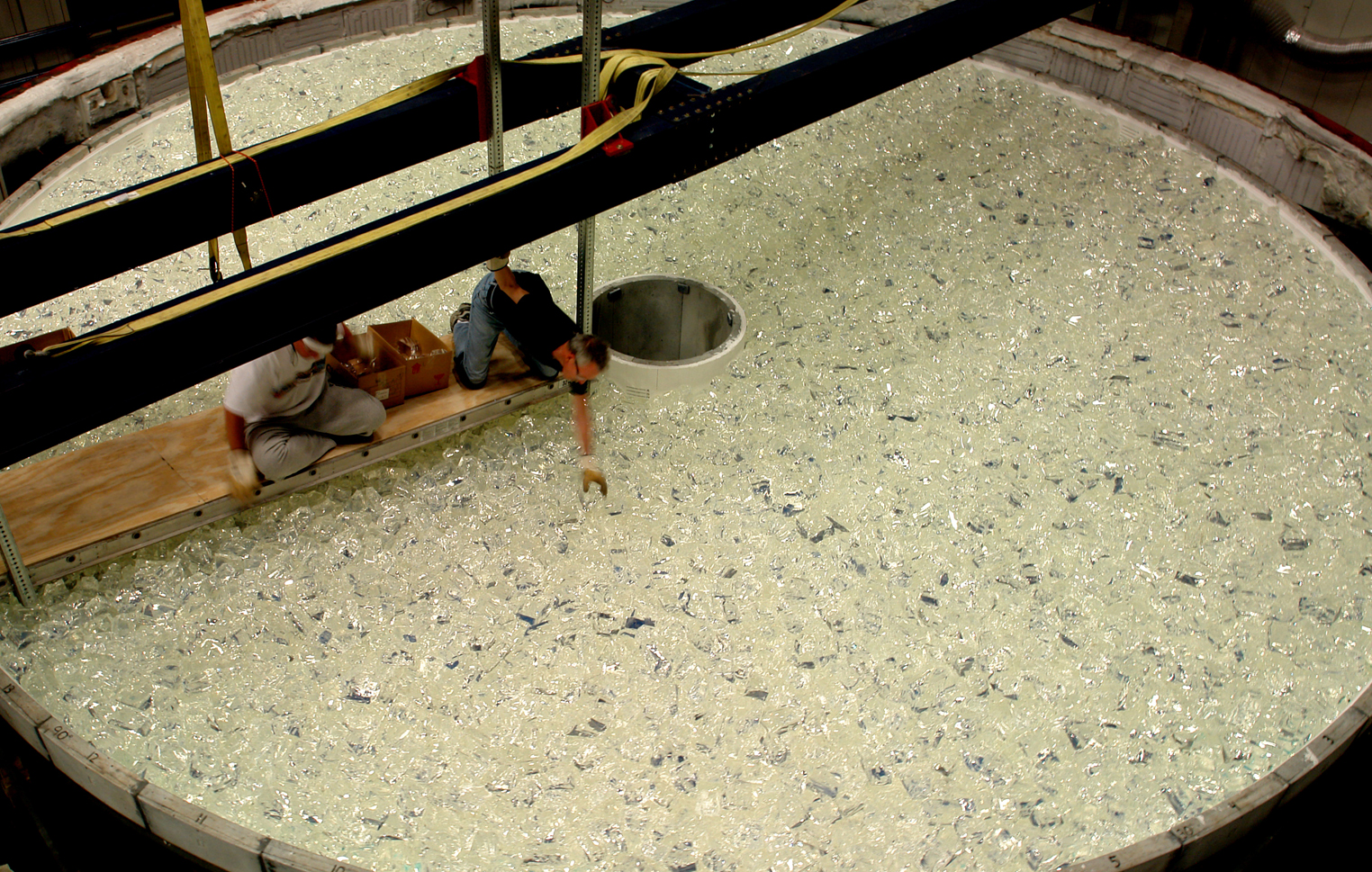 After more than six years of grinding and polishing, the first-ever dual-surface mirror for a major telescope is complete. In March 2008, a group of people gathered around a giant, red oven in a six-story workshop space ...
Science and Art Exhibits To Launch 2015
Scientific American - 12 Jan 2015 21:40 The number of exhibits combining science and art in some capacity has grown steadily since I began blogging about them in 2011. With exhibits in galleries and museums across the country,... --
Thawing Arctic Soil Could Dramatically Increase Carbon Levels | Video
Live Science - 12 Jan 2015 21:09 As Arctic permafrost thaws due to rising global temperatures, soil microbes may speed up the rate at which they liberate carbon into the atmosphere.
Three searches for the wellsprings of creativity
New Scientist - 12 Jan 2015 21:00
Do you need to be extraordinary? Wealthy and white? Or can anyone be creative? Three books come at the question from different angles
Today on New Scientist
New Scientist - 12 Jan 2015 19:30
All the latest on newscientist.com: fad-proof ways to control your eating, why you should care about the housefly genome and more
Physicists Create "Air Laser" In Laboratory
Physics Buzz - 12 Jan 2015 19:10
Originally published: Jan 6 2015 - 8:45am, Inside Science News ServiceBy: Charles Q. Choi, Contributor(Inside Science) -- A laser could be created with air in a practical way, a new advance that could one day be used to ...
Photos: Time Capsule from 1795 Reveals Pieces of American History
Live Science - 12 Jan 2015 19:01 Museum workers opened a time capsule originally buried in 1795 by Sam Adams and Paul Revere.
Birth of Jaws: Tiny Fish May Be Ancient Ancestor
Live Science - 12 Jan 2015 18:23 The remains of a 415-million-year-old fish skull from Siberia -- though miniscule in size -- offer hints about the origins of all jawed vertebrates, ranging from reptiles to humans, a new study finds.
In Photos: Ancient Fish Skull From Siberia
Live Science - 12 Jan 2015 18:22 When researchers first looked at a tiny fish skull from 415 million years ago, they classified it as a bony fish. But a new, high-tech look at the fossil shows that it's much more.
Ancient Fossil Fish Head Is Jaw Creatures' Ancestor | 3D Virtual Animation
Live Science - 12 Jan 2015 18:20 The 415-million-year-old Janusiscus fossil was discovered in Siberia. A study of the skull reveals that it is on the botton of the gnathostomes' (jawed vertebrates) evolutionary tree.
Sand Art Robot Rakes Giant Beach Sketches
Singularity Hub - 12 Jan 2015 18:10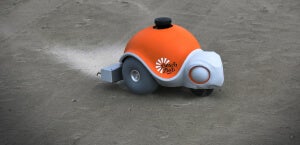 San Francisco artist Andres Amador makes monumental designs on the beach with naught but a rake and some wet sand. He's mindblowingly good at sand art--but he's got competition. A...
Researchers identify nature of fish's 'sixth sense'
Phys.org - 12 Jan 2015 17:00 A team of scientists has identified how a "sixth sense" in fish allows them to detect flows of water, which helps resolve a long-standing mystery about how these aquatic creatures respond to their environment. Their find...
Fed up with fad diets? Just tweak your habits instead
New Scientist - 12 Jan 2015 16:00
It's a new year and fad diets are back. But there's mounting evidence for a healthier way to keep you trim and healthy - changing your environment
 Global
 Great Britain
 Indian
 South Africa